Condition Monitoring System

Modern industries rely heavily on critical rotating equipment such as motors, pumps, compressors, and turbines. Any unexpected failure in these assets can lead to:

  • Unplanned downtime.
  • Production losses.
  • High maintenance costs.
  • Reduced equipment lifespan.
Traditional maintenance approaches (reactive or preventive) often fail to detect hidden issues early.
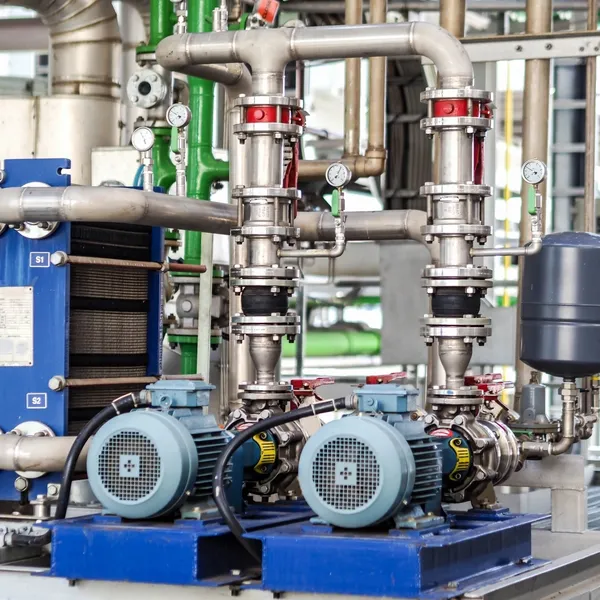

Diamond Manufacturing Industries

Problem Statement

A manufacturing facility faced the following challenges:

  • Frequent motor failures impacting production.

  • Lack of real-time visibility into machine health.
  • Reactive maintenance leading to unexpected breakdowns.
  • Inefficient maintenance scheduling.
  • Increased operational costs due to downtime.
The company needed a smart, data-driven solution to monitor equipment continuously and predict failures in advance.


Solution Implemented

RDL Technologies Pvt Ltd implemented a Remote Condition Monitoring System designed for critical motor applications.

Key Features

  • Real-time monitoring of machine health and performance.


  • Sensor-based data acquisition (vibration, temperature, etc.).
  • Remote access to machine data.
  • Predictive maintenance capability.
  • Automated alerts via Email/SMS.
  • Intelligent dashboards with analytics & reports.
The system continuously collects and processes data from multiple sensors to detect abnormalities and predict potential failures.


System Architecture
The solution follows a typical Industry 4.0 architecture:
Sensors Layer

  • Installed on motors and rotating equipment.
  • Capture parameters like vibration, temperature, and performance data.

Data Acquisition Layer
  • IoT gateways/data loggers collect real-time data

Cloud / Server Layer
  • Data processing and analytics
  • AI-driven insights and trend analysis

User Interface Layer
  • Dashboards for monitoring
  • Alerts & notifications system


How It Works

  • Continuous monitoring detects early signs of faults.
  • Data is analyzed to identify deviations from normal conditions.
  • Alerts are triggered before failure occurs.
  • Maintenance is scheduled based on actual equipment condition.
This aligns with predictive maintenance, where systems are monitored continuously using sensors to generate actionable insights.


Key Benefits Achieved

Operational Improvements

  • Reduced unplanned downtime.
  • Improved machine availability.
  • Increased production efficiency.

Cost Optimization
  • Lower maintenance costs.
  • Reduced emergency repair expenses.
  • Optimized spare parts usage.

Enhanced Visibility
  • Real-time monitoring of all critical assets.
  • Centralized dashboard for decision-making.

Maintenance Transformation
  • Shift from reactive → predictive maintenance.
  • Early fault detection prevents major failures.


Measurable Impact (Typical Outcomes)

  • Significant reduction in breakdown incidents.
  • Improved equipment lifespan.
  • Faster response to anomalies.
  • Better maintenance planning.

(Industry benchmarks show condition monitoring can reduce downtime significantly by detecting issues early.)

Applications

The solution is ideal for:

  • Manufacturing plants
  • Power generation facilities
  • Oil & gas industries
  • Automotive assembly lines
  • HVAC systems
  • Heavy machinery environments


Conclusion

The RDL Condition Monitoring System transforms traditional maintenance into a smart, predictive, and data-driven process.

By leveraging IoT sensors, real-time analytics, and automated alerts, industries can:

  • Prevent failures before they happen
  • Maximize equipment uptime
  • Improve operational efficiency
  • Move toward a fully digital smart factory (Industry 4.0)