MES 4.0.

A mid-to-large scale manufacturing enterprise faced challenges in shop-floor visibility, machine productivity tracking, and real-time decision-making. Their legacy systems lacked integration between IT (enterprise systems) and OT (shop-floor operations).
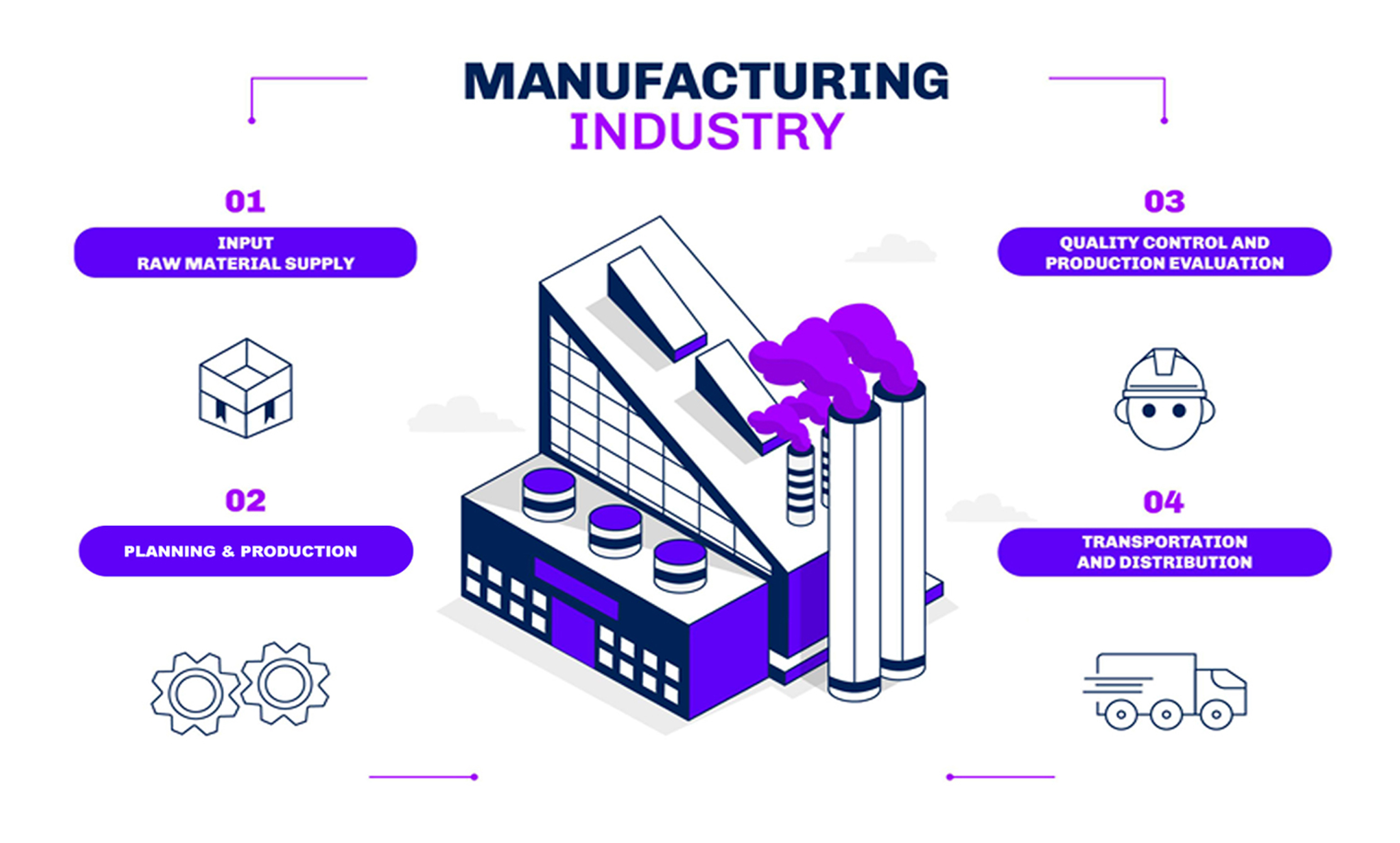

Diamond Manufacturing Industries

Challenges Identified


  • Limited visibility into production processes.

  • Difficulty in identifying machine losses and downtime causes.
  • Manual data collection leading to inaccuracies.
  • Lack of real-time analytics and reporting.
  • Poor integration between ERP, machines, and sensors.
  • Inefficient resource utilization and lower OEE.
These issues resulted in increased operational costs and reduced product reliability.


Solution Implemented

RDL MES 4.0
RDL deployed its MES 4.0 platform, designed to integrate Industrial IoT and AI for end-to-end digital transformation. Key Components of the Solution

  • IT-OT Integration : Seamless connection between enterprise systems and shop-floor machines.
  • Industrial IoT Integration : Real-time data collection from machines, sensors, and devices.
  • AI & Advanced Analytics : Intelligent insights into production efficiency and machine performance.
  • Shop Floor Digitization : Digital tracking of production, operations, and workflows.
  • OEE Monitoring System : Continuous tracking of availability, performance, and quality.
  • Cloud & Edge Processing : Scalable infrastructure for real-time and historical data analysis.
The system enables end-to-end visibility across the manufacturing lifecycle, driving smarter decision-making.


Implementation Approach

  • Assessment & Gap Analysis : Identified inefficiencies and mapped existing workflows.
  • System Integration : Connected PLCs, sensors, ERP systems, and databases.
  • Deployment of IoT Devices : Enabled real-time data acquisition from machines
  • Dashboard & Visualization Setup : Developed intuitive dashboards for operators and management.
  • AI Model Deployment : Enabled predictive analytics for downtime and maintenance.
  • Training & Change Management : Ensured smooth adoption across teams.


Results & Business Impact

Operational Improvements:

  • Real-time monitoring of production lines.
  • Improved machine utilization and reduced idle time.
  • Faster identification of bottlenecks.


Productivity Gains:

  • Significant improvement in Overall Equipment Effectiveness (OEE).
  • Reduced unplanned downtime through predictive insights.


Cost Optimization:

  • Lower operational costs through better resource utilization.
  • Reduction in manual errors and rework.


Data-Driven Decision Making:

  • Centralized dashboards for actionable insights.
  • Enhanced forecasting and planning.


Measurable Outcomes (Typical Impact)

  • Downtime reduced by 15–30%.
  • Productivity increased by 10–25%.
  • Faster response to machine faults.
  • Improved decision-making through AI-driven insight.


Strategic Benefits

  • Transition towards Smart Factory / Industry 4.0.
  • Scalable architecture for future expansion.
  • Better compliance and traceability.
  • Competitive advantage through digital manufacturing.


Conclusion

The implementation of RDL MES 4.0 successfully transformed traditional manufacturing into a data-driven, intelligent production environment. By integrating AI, IoT, and real-time analytics, the solution empowered the organization to achieve higher efficiency, reduced costs, and improved operational visibility.